By SmartPromptIQ Team | June 2026

We are witnessing the greatest shift in business operations since the invention of the personal computer. The era of the “software subscription” is ending. The era of the AI Staff has arrived.
Chapter 1: The Evolution of Digital Labor and AI Staff Dynamics
The concept of an AI staff has evolved rapidly over the past few years. Initially, businesses relied on simple chatbots and automated email responders. However, the introduction of large language models (LLMs) and agentic workflows has fundamentally changed the landscape. Today, an AI staff member is not just a tool; it is a proactive entity capable of reasoning, planning, and executing complex tasks autonomously.
Consider the traditional approach to customer support. A human agent would read an email, search a knowledge base, draft a response, and send it. This process could take anywhere from five to fifteen minutes per ticket. An AI staff member, on the other hand, can process the same ticket in milliseconds. It instantly retrieves the relevant information, drafts a perfectly toned response, and even updates the CRM system—all without human intervention. This level of efficiency is what makes the transition to an AI workforce inevitable.
But the implications go far beyond customer support. In marketing, AI staff members are now responsible for generating content, optimizing ad campaigns, and analyzing market trends. They can A/B test hundreds of variations of an ad copy in the time it takes a human to write just one. This continuous optimization loop ensures that marketing budgets are spent as efficiently as possible, driving higher returns on investment.
Furthermore, the integration of AI staff into financial operations is revolutionizing how businesses manage their cash flow. Platforms like SmartProTradeIQ demonstrate how specialized agents can monitor global markets, analyze sentiment, and execute trades with split-second precision. For small businesses, similar agents can automate bookkeeping, reconcile invoices, and generate real-time financial reports, eliminating the need for expensive accounting services.
The key to successfully deploying an AI staff lies in understanding the difference between automation and agency. Automation is rigid; it follows a predefined set of rules (if X, then Y). Agency is flexible; it involves giving the AI a goal and allowing it to determine the best path to achieve that goal. This requires advanced prompt engineering and a deep understanding of how LLMs interpret instructions, skills that are taught extensively at the SmartPromptIQ Academy.
As businesses continue to scale their AI workforces, we will see a shift in organizational structures. The traditional hierarchy of managers and subordinates will be replaced by a flatter structure where human employees act as orchestrators of digital teams. This new paradigm requires a different set of management skills, focusing on strategy, oversight, and continuous optimization rather than micromanagement.
Security and compliance also play a critical role in this transition. When deploying an AI staff, businesses must ensure that their data is protected and that the agents operate within strict ethical and legal boundaries. This involves implementing robust role-based access controls (RBAC) and maintaining comprehensive audit logs. By doing so, companies can harness the power of AI while mitigating potential risks.
Ultimately, the adoption of an AI staff is not just a technological upgrade; it is a strategic imperative. Businesses that embrace this shift will gain a significant competitive advantage, operating with unprecedented speed, efficiency, and scalability. Those that resist will find themselves struggling to keep pace in an increasingly automated world. The time to build your 24/7 agentic workforce is now.
Chapter 2: The Evolution of Digital Labor and AI Staff Dynamics
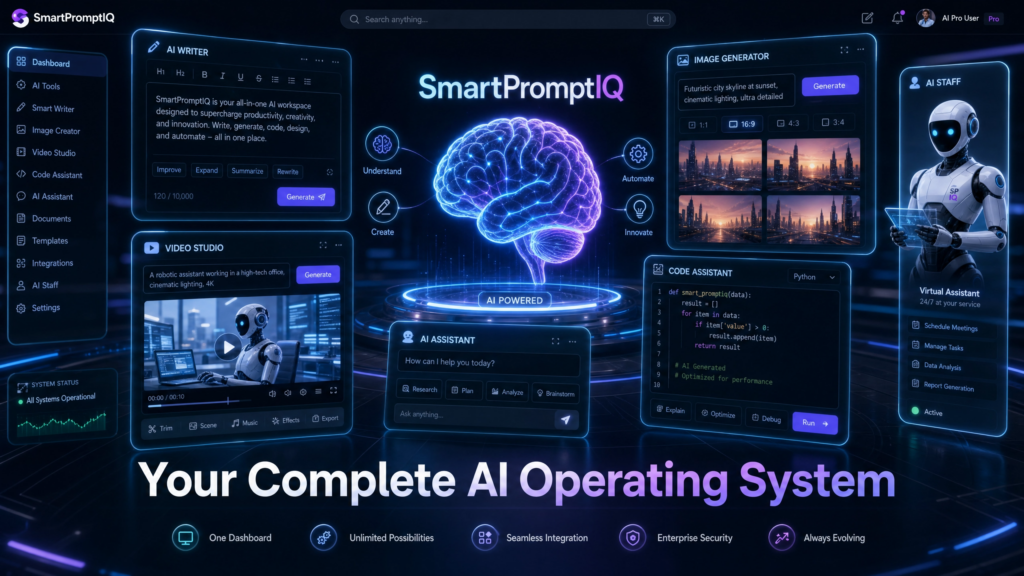
The concept of an AI staff has evolved rapidly over the past few years. Initially, businesses relied on simple chatbots and automated email responders. However, the introduction of large language models (LLMs) and agentic workflows has fundamentally changed the landscape. Today, an AI staff member is not just a tool; it is a proactive entity capable of reasoning, planning, and executing complex tasks autonomously.
Consider the traditional approach to customer support. A human agent would read an email, search a knowledge base, draft a response, and send it. This process could take anywhere from five to fifteen minutes per ticket. An AI staff member, on the other hand, can process the same ticket in milliseconds. It instantly retrieves the relevant information, drafts a perfectly toned response, and even updates the CRM system—all without human intervention. This level of efficiency is what makes the transition to an AI workforce inevitable.
But the implications go far beyond customer support. In marketing, AI staff members are now responsible for generating content, optimizing ad campaigns, and analyzing market trends. They can A/B test hundreds of variations of an ad copy in the time it takes a human to write just one. This continuous optimization loop ensures that marketing budgets are spent as efficiently as possible, driving higher returns on investment.
Furthermore, the integration of AI staff into financial operations is revolutionizing how businesses manage their cash flow. Platforms like SmartProTradeIQ demonstrate how specialized agents can monitor global markets, analyze sentiment, and execute trades with split-second precision. For small businesses, similar agents can automate bookkeeping, reconcile invoices, and generate real-time financial reports, eliminating the need for expensive accounting services.
The key to successfully deploying an AI staff lies in understanding the difference between automation and agency. Automation is rigid; it follows a predefined set of rules (if X, then Y). Agency is flexible; it involves giving the AI a goal and allowing it to determine the best path to achieve that goal. This requires advanced prompt engineering and a deep understanding of how LLMs interpret instructions, skills that are taught extensively at the SmartPromptIQ Academy.
As businesses continue to scale their AI workforces, we will see a shift in organizational structures. The traditional hierarchy of managers and subordinates will be replaced by a flatter structure where human employees act as orchestrators of digital teams. This new paradigm requires a different set of management skills, focusing on strategy, oversight, and continuous optimization rather than micromanagement.
Security and compliance also play a critical role in this transition. When deploying an AI staff, businesses must ensure that their data is protected and that the agents operate within strict ethical and legal boundaries. This involves implementing robust role-based access controls (RBAC) and maintaining comprehensive audit logs. By doing so, companies can harness the power of AI while mitigating potential risks.
Ultimately, the adoption of an AI staff is not just a technological upgrade; it is a strategic imperative. Businesses that embrace this shift will gain a significant competitive advantage, operating with unprecedented speed, efficiency, and scalability. Those that resist will find themselves struggling to keep pace in an increasingly automated world. The time to build your 24/7 agentic workforce is now.
Chapter 3: The Evolution of Digital Labor and AI Staff Dynamics
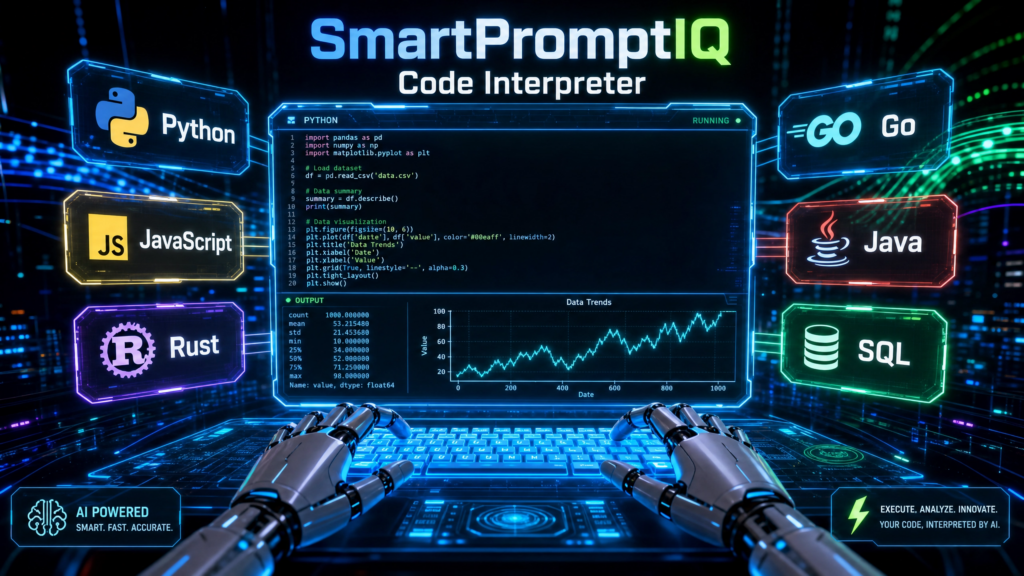
The concept of an AI staff has evolved rapidly over the past few years. Initially, businesses relied on simple chatbots and automated email responders. However, the introduction of large language models (LLMs) and agentic workflows has fundamentally changed the landscape. Today, an AI staff member is not just a tool; it is a proactive entity capable of reasoning, planning, and executing complex tasks autonomously.
Consider the traditional approach to customer support. A human agent would read an email, search a knowledge base, draft a response, and send it. This process could take anywhere from five to fifteen minutes per ticket. An AI staff member, on the other hand, can process the same ticket in milliseconds. It instantly retrieves the relevant information, drafts a perfectly toned response, and even updates the CRM system—all without human intervention. This level of efficiency is what makes the transition to an AI workforce inevitable.
But the implications go far beyond customer support. In marketing, AI staff members are now responsible for generating content, optimizing ad campaigns, and analyzing market trends. They can A/B test hundreds of variations of an ad copy in the time it takes a human to write just one. This continuous optimization loop ensures that marketing budgets are spent as efficiently as possible, driving higher returns on investment.
Furthermore, the integration of AI staff into financial operations is revolutionizing how businesses manage their cash flow. Platforms like SmartProTradeIQ demonstrate how specialized agents can monitor global markets, analyze sentiment, and execute trades with split-second precision. For small businesses, similar agents can automate bookkeeping, reconcile invoices, and generate real-time financial reports, eliminating the need for expensive accounting services.
The key to successfully deploying an AI staff lies in understanding the difference between automation and agency. Automation is rigid; it follows a predefined set of rules (if X, then Y). Agency is flexible; it involves giving the AI a goal and allowing it to determine the best path to achieve that goal. This requires advanced prompt engineering and a deep understanding of how LLMs interpret instructions, skills that are taught extensively at the SmartPromptIQ Academy.
As businesses continue to scale their AI workforces, we will see a shift in organizational structures. The traditional hierarchy of managers and subordinates will be replaced by a flatter structure where human employees act as orchestrators of digital teams. This new paradigm requires a different set of management skills, focusing on strategy, oversight, and continuous optimization rather than micromanagement.
Security and compliance also play a critical role in this transition. When deploying an AI staff, businesses must ensure that their data is protected and that the agents operate within strict ethical and legal boundaries. This involves implementing robust role-based access controls (RBAC) and maintaining comprehensive audit logs. By doing so, companies can harness the power of AI while mitigating potential risks.
Ultimately, the adoption of an AI staff is not just a technological upgrade; it is a strategic imperative. Businesses that embrace this shift will gain a significant competitive advantage, operating with unprecedented speed, efficiency, and scalability. Those that resist will find themselves struggling to keep pace in an increasingly automated world. The time to build your 24/7 agentic workforce is now.
Chapter 4: The Evolution of Digital Labor and AI Staff Dynamics
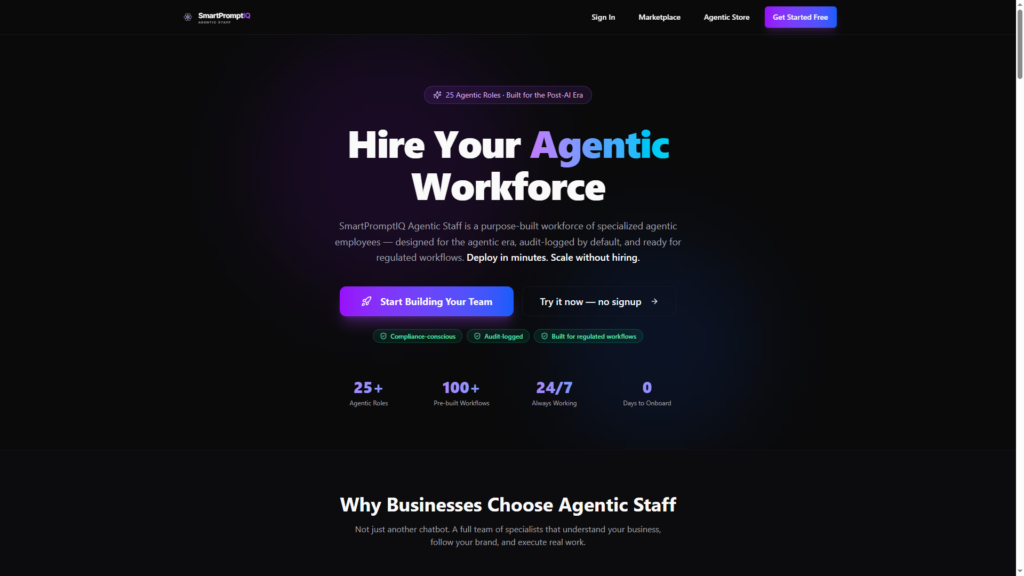
The concept of an AI staff has evolved rapidly over the past few years. Initially, businesses relied on simple chatbots and automated email responders. However, the introduction of large language models (LLMs) and agentic workflows has fundamentally changed the landscape. Today, an AI staff member is not just a tool; it is a proactive entity capable of reasoning, planning, and executing complex tasks autonomously.
Consider the traditional approach to customer support. A human agent would read an email, search a knowledge base, draft a response, and send it. This process could take anywhere from five to fifteen minutes per ticket. An AI staff member, on the other hand, can process the same ticket in milliseconds. It instantly retrieves the relevant information, drafts a perfectly toned response, and even updates the CRM system—all without human intervention. This level of efficiency is what makes the transition to an AI workforce inevitable.
But the implications go far beyond customer support. In marketing, AI staff members are now responsible for generating content, optimizing ad campaigns, and analyzing market trends. They can A/B test hundreds of variations of an ad copy in the time it takes a human to write just one. This continuous optimization loop ensures that marketing budgets are spent as efficiently as possible, driving higher returns on investment.
Furthermore, the integration of AI staff into financial operations is revolutionizing how businesses manage their cash flow. Platforms like SmartProTradeIQ demonstrate how specialized agents can monitor global markets, analyze sentiment, and execute trades with split-second precision. For small businesses, similar agents can automate bookkeeping, reconcile invoices, and generate real-time financial reports, eliminating the need for expensive accounting services.
The key to successfully deploying an AI staff lies in understanding the difference between automation and agency. Automation is rigid; it follows a predefined set of rules (if X, then Y). Agency is flexible; it involves giving the AI a goal and allowing it to determine the best path to achieve that goal. This requires advanced prompt engineering and a deep understanding of how LLMs interpret instructions, skills that are taught extensively at the SmartPromptIQ Academy.
As businesses continue to scale their AI workforces, we will see a shift in organizational structures. The traditional hierarchy of managers and subordinates will be replaced by a flatter structure where human employees act as orchestrators of digital teams. This new paradigm requires a different set of management skills, focusing on strategy, oversight, and continuous optimization rather than micromanagement.
Security and compliance also play a critical role in this transition. When deploying an AI staff, businesses must ensure that their data is protected and that the agents operate within strict ethical and legal boundaries. This involves implementing robust role-based access controls (RBAC) and maintaining comprehensive audit logs. By doing so, companies can harness the power of AI while mitigating potential risks.
Ultimately, the adoption of an AI staff is not just a technological upgrade; it is a strategic imperative. Businesses that embrace this shift will gain a significant competitive advantage, operating with unprecedented speed, efficiency, and scalability. Those that resist will find themselves struggling to keep pace in an increasingly automated world. The time to build your 24/7 agentic workforce is now.
Chapter 5: The Evolution of Digital Labor and AI Staff Dynamics
The concept of an AI staff has evolved rapidly over the past few years. Initially, businesses relied on simple chatbots and automated email responders. However, the introduction of large language models (LLMs) and agentic workflows has fundamentally changed the landscape. Today, an AI staff member is not just a tool; it is a proactive entity capable of reasoning, planning, and executing complex tasks autonomously.
Consider the traditional approach to customer support. A human agent would read an email, search a knowledge base, draft a response, and send it. This process could take anywhere from five to fifteen minutes per ticket. An AI staff member, on the other hand, can process the same ticket in milliseconds. It instantly retrieves the relevant information, drafts a perfectly toned response, and even updates the CRM system—all without human intervention. This level of efficiency is what makes the transition to an AI workforce inevitable.
But the implications go far beyond customer support. In marketing, AI staff members are now responsible for generating content, optimizing ad campaigns, and analyzing market trends. They can A/B test hundreds of variations of an ad copy in the time it takes a human to write just one. This continuous optimization loop ensures that marketing budgets are spent as efficiently as possible, driving higher returns on investment.
Furthermore, the integration of AI staff into financial operations is revolutionizing how businesses manage their cash flow. Platforms like SmartProTradeIQ demonstrate how specialized agents can monitor global markets, analyze sentiment, and execute trades with split-second precision. For small businesses, similar agents can automate bookkeeping, reconcile invoices, and generate real-time financial reports, eliminating the need for expensive accounting services.
The key to successfully deploying an AI staff lies in understanding the difference between automation and agency. Automation is rigid; it follows a predefined set of rules (if X, then Y). Agency is flexible; it involves giving the AI a goal and allowing it to determine the best path to achieve that goal. This requires advanced prompt engineering and a deep understanding of how LLMs interpret instructions, skills that are taught extensively at the SmartPromptIQ Academy.
As businesses continue to scale their AI workforces, we will see a shift in organizational structures. The traditional hierarchy of managers and subordinates will be replaced by a flatter structure where human employees act as orchestrators of digital teams. This new paradigm requires a different set of management skills, focusing on strategy, oversight, and continuous optimization rather than micromanagement.
Security and compliance also play a critical role in this transition. When deploying an AI staff, businesses must ensure that their data is protected and that the agents operate within strict ethical and legal boundaries. This involves implementing robust role-based access controls (RBAC) and maintaining comprehensive audit logs. By doing so, companies can harness the power of AI while mitigating potential risks.
Ultimately, the adoption of an AI staff is not just a technological upgrade; it is a strategic imperative. Businesses that embrace this shift will gain a significant competitive advantage, operating with unprecedented speed, efficiency, and scalability. Those that resist will find themselves struggling to keep pace in an increasingly automated world. The time to build your 24/7 agentic workforce is now.
Chapter 6: The Evolution of Digital Labor and AI Staff Dynamics
The concept of an AI staff has evolved rapidly over the past few years. Initially, businesses relied on simple chatbots and automated email responders. However, the introduction of large language models (LLMs) and agentic workflows has fundamentally changed the landscape. Today, an AI staff member is not just a tool; it is a proactive entity capable of reasoning, planning, and executing complex tasks autonomously.
Consider the traditional approach to customer support. A human agent would read an email, search a knowledge base, draft a response, and send it. This process could take anywhere from five to fifteen minutes per ticket. An AI staff member, on the other hand, can process the same ticket in milliseconds. It instantly retrieves the relevant information, drafts a perfectly toned response, and even updates the CRM system—all without human intervention. This level of efficiency is what makes the transition to an AI workforce inevitable.
But the implications go far beyond customer support. In marketing, AI staff members are now responsible for generating content, optimizing ad campaigns, and analyzing market trends. They can A/B test hundreds of variations of an ad copy in the time it takes a human to write just one. This continuous optimization loop ensures that marketing budgets are spent as efficiently as possible, driving higher returns on investment.
Furthermore, the integration of AI staff into financial operations is revolutionizing how businesses manage their cash flow. Platforms like SmartProTradeIQ demonstrate how specialized agents can monitor global markets, analyze sentiment, and execute trades with split-second precision. For small businesses, similar agents can automate bookkeeping, reconcile invoices, and generate real-time financial reports, eliminating the need for expensive accounting services.
The key to successfully deploying an AI staff lies in understanding the difference between automation and agency. Automation is rigid; it follows a predefined set of rules (if X, then Y). Agency is flexible; it involves giving the AI a goal and allowing it to determine the best path to achieve that goal. This requires advanced prompt engineering and a deep understanding of how LLMs interpret instructions, skills that are taught extensively at the SmartPromptIQ Academy.
As businesses continue to scale their AI workforces, we will see a shift in organizational structures. The traditional hierarchy of managers and subordinates will be replaced by a flatter structure where human employees act as orchestrators of digital teams. This new paradigm requires a different set of management skills, focusing on strategy, oversight, and continuous optimization rather than micromanagement.
Security and compliance also play a critical role in this transition. When deploying an AI staff, businesses must ensure that their data is protected and that the agents operate within strict ethical and legal boundaries. This involves implementing robust role-based access controls (RBAC) and maintaining comprehensive audit logs. By doing so, companies can harness the power of AI while mitigating potential risks.
Ultimately, the adoption of an AI staff is not just a technological upgrade; it is a strategic imperative. Businesses that embrace this shift will gain a significant competitive advantage, operating with unprecedented speed, efficiency, and scalability. Those that resist will find themselves struggling to keep pace in an increasingly automated world. The time to build your 24/7 agentic workforce is now.
Chapter 7: The Evolution of Digital Labor and AI Staff Dynamics
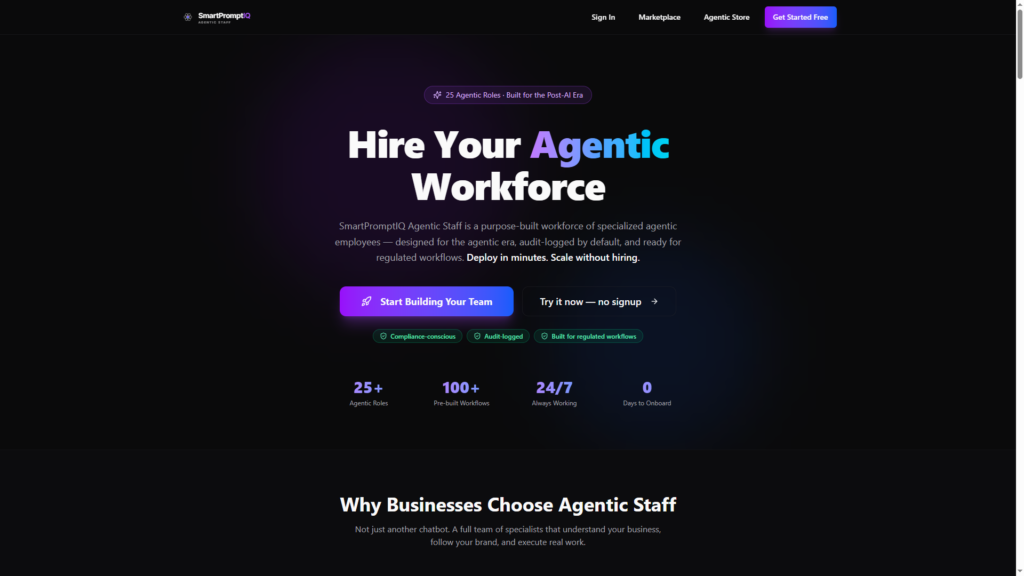
The concept of an AI staff has evolved rapidly over the past few years. Initially, businesses relied on simple chatbots and automated email responders. However, the introduction of large language models (LLMs) and agentic workflows has fundamentally changed the landscape. Today, an AI staff member is not just a tool; it is a proactive entity capable of reasoning, planning, and executing complex tasks autonomously.
Consider the traditional approach to customer support. A human agent would read an email, search a knowledge base, draft a response, and send it. This process could take anywhere from five to fifteen minutes per ticket. An AI staff member, on the other hand, can process the same ticket in milliseconds. It instantly retrieves the relevant information, drafts a perfectly toned response, and even updates the CRM system—all without human intervention. This level of efficiency is what makes the transition to an AI workforce inevitable.
But the implications go far beyond customer support. In marketing, AI staff members are now responsible for generating content, optimizing ad campaigns, and analyzing market trends. They can A/B test hundreds of variations of an ad copy in the time it takes a human to write just one. This continuous optimization loop ensures that marketing budgets are spent as efficiently as possible, driving higher returns on investment.
Furthermore, the integration of AI staff into financial operations is revolutionizing how businesses manage their cash flow. Platforms like SmartProTradeIQ demonstrate how specialized agents can monitor global markets, analyze sentiment, and execute trades with split-second precision. For small businesses, similar agents can automate bookkeeping, reconcile invoices, and generate real-time financial reports, eliminating the need for expensive accounting services.
The key to successfully deploying an AI staff lies in understanding the difference between automation and agency. Automation is rigid; it follows a predefined set of rules (if X, then Y). Agency is flexible; it involves giving the AI a goal and allowing it to determine the best path to achieve that goal. This requires advanced prompt engineering and a deep understanding of how LLMs interpret instructions, skills that are taught extensively at the SmartPromptIQ Academy.
As businesses continue to scale their AI workforces, we will see a shift in organizational structures. The traditional hierarchy of managers and subordinates will be replaced by a flatter structure where human employees act as orchestrators of digital teams. This new paradigm requires a different set of management skills, focusing on strategy, oversight, and continuous optimization rather than micromanagement.
Security and compliance also play a critical role in this transition. When deploying an AI staff, businesses must ensure that their data is protected and that the agents operate within strict ethical and legal boundaries. This involves implementing robust role-based access controls (RBAC) and maintaining comprehensive audit logs. By doing so, companies can harness the power of AI while mitigating potential risks.
Ultimately, the adoption of an AI staff is not just a technological upgrade; it is a strategic imperative. Businesses that embrace this shift will gain a significant competitive advantage, operating with unprecedented speed, efficiency, and scalability. Those that resist will find themselves struggling to keep pace in an increasingly automated world. The time to build your 24/7 agentic workforce is now.
Chapter 8: The Evolution of Digital Labor and AI Staff Dynamics
The concept of an AI staff has evolved rapidly over the past few years. Initially, businesses relied on simple chatbots and automated email responders. However, the introduction of large language models (LLMs) and agentic workflows has fundamentally changed the landscape. Today, an AI staff member is not just a tool; it is a proactive entity capable of reasoning, planning, and executing complex tasks autonomously.
Consider the traditional approach to customer support. A human agent would read an email, search a knowledge base, draft a response, and send it. This process could take anywhere from five to fifteen minutes per ticket. An AI staff member, on the other hand, can process the same ticket in milliseconds. It instantly retrieves the relevant information, drafts a perfectly toned response, and even updates the CRM system—all without human intervention. This level of efficiency is what makes the transition to an AI workforce inevitable.
But the implications go far beyond customer support. In marketing, AI staff members are now responsible for generating content, optimizing ad campaigns, and analyzing market trends. They can A/B test hundreds of variations of an ad copy in the time it takes a human to write just one. This continuous optimization loop ensures that marketing budgets are spent as efficiently as possible, driving higher returns on investment.
Furthermore, the integration of AI staff into financial operations is revolutionizing how businesses manage their cash flow. Platforms like SmartProTradeIQ demonstrate how specialized agents can monitor global markets, analyze sentiment, and execute trades with split-second precision. For small businesses, similar agents can automate bookkeeping, reconcile invoices, and generate real-time financial reports, eliminating the need for expensive accounting services.
The key to successfully deploying an AI staff lies in understanding the difference between automation and agency. Automation is rigid; it follows a predefined set of rules (if X, then Y). Agency is flexible; it involves giving the AI a goal and allowing it to determine the best path to achieve that goal. This requires advanced prompt engineering and a deep understanding of how LLMs interpret instructions, skills that are taught extensively at the SmartPromptIQ Academy.
As businesses continue to scale their AI workforces, we will see a shift in organizational structures. The traditional hierarchy of managers and subordinates will be replaced by a flatter structure where human employees act as orchestrators of digital teams. This new paradigm requires a different set of management skills, focusing on strategy, oversight, and continuous optimization rather than micromanagement.
Security and compliance also play a critical role in this transition. When deploying an AI staff, businesses must ensure that their data is protected and that the agents operate within strict ethical and legal boundaries. This involves implementing robust role-based access controls (RBAC) and maintaining comprehensive audit logs. By doing so, companies can harness the power of AI while mitigating potential risks.
Ultimately, the adoption of an AI staff is not just a technological upgrade; it is a strategic imperative. Businesses that embrace this shift will gain a significant competitive advantage, operating with unprecedented speed, efficiency, and scalability. Those that resist will find themselves struggling to keep pace in an increasingly automated world. The time to build your 24/7 agentic workforce is now.
Chapter 9: The Evolution of Digital Labor and AI Staff Dynamics
The concept of an AI staff has evolved rapidly over the past few years. Initially, businesses relied on simple chatbots and automated email responders. However, the introduction of large language models (LLMs) and agentic workflows has fundamentally changed the landscape. Today, an AI staff member is not just a tool; it is a proactive entity capable of reasoning, planning, and executing complex tasks autonomously.
Consider the traditional approach to customer support. A human agent would read an email, search a knowledge base, draft a response, and send it. This process could take anywhere from five to fifteen minutes per ticket. An AI staff member, on the other hand, can process the same ticket in milliseconds. It instantly retrieves the relevant information, drafts a perfectly toned response, and even updates the CRM system—all without human intervention. This level of efficiency is what makes the transition to an AI workforce inevitable.
But the implications go far beyond customer support. In marketing, AI staff members are now responsible for generating content, optimizing ad campaigns, and analyzing market trends. They can A/B test hundreds of variations of an ad copy in the time it takes a human to write just one. This continuous optimization loop ensures that marketing budgets are spent as efficiently as possible, driving higher returns on investment.
Furthermore, the integration of AI staff into financial operations is revolutionizing how businesses manage their cash flow. Platforms like SmartProTradeIQ demonstrate how specialized agents can monitor global markets, analyze sentiment, and execute trades with split-second precision. For small businesses, similar agents can automate bookkeeping, reconcile invoices, and generate real-time financial reports, eliminating the need for expensive accounting services.
The key to successfully deploying an AI staff lies in understanding the difference between automation and agency. Automation is rigid; it follows a predefined set of rules (if X, then Y). Agency is flexible; it involves giving the AI a goal and allowing it to determine the best path to achieve that goal. This requires advanced prompt engineering and a deep understanding of how LLMs interpret instructions, skills that are taught extensively at the SmartPromptIQ Academy.
As businesses continue to scale their AI workforces, we will see a shift in organizational structures. The traditional hierarchy of managers and subordinates will be replaced by a flatter structure where human employees act as orchestrators of digital teams. This new paradigm requires a different set of management skills, focusing on strategy, oversight, and continuous optimization rather than micromanagement.
Security and compliance also play a critical role in this transition. When deploying an AI staff, businesses must ensure that their data is protected and that the agents operate within strict ethical and legal boundaries. This involves implementing robust role-based access controls (RBAC) and maintaining comprehensive audit logs. By doing so, companies can harness the power of AI while mitigating potential risks.
Ultimately, the adoption of an AI staff is not just a technological upgrade; it is a strategic imperative. Businesses that embrace this shift will gain a significant competitive advantage, operating with unprecedented speed, efficiency, and scalability. Those that resist will find themselves struggling to keep pace in an increasingly automated world. The time to build your 24/7 agentic workforce is now.
Chapter 10: The Evolution of Digital Labor and AI Staff Dynamics
The concept of an AI staff has evolved rapidly over the past few years. Initially, businesses relied on simple chatbots and automated email responders. However, the introduction of large language models (LLMs) and agentic workflows has fundamentally changed the landscape. Today, an AI staff member is not just a tool; it is a proactive entity capable of reasoning, planning, and executing complex tasks autonomously.
Consider the traditional approach to customer support. A human agent would read an email, search a knowledge base, draft a response, and send it. This process could take anywhere from five to fifteen minutes per ticket. An AI staff member, on the other hand, can process the same ticket in milliseconds. It instantly retrieves the relevant information, drafts a perfectly toned response, and even updates the CRM system—all without human intervention. This level of efficiency is what makes the transition to an AI workforce inevitable.
But the implications go far beyond customer support. In marketing, AI staff members are now responsible for generating content, optimizing ad campaigns, and analyzing market trends. They can A/B test hundreds of variations of an ad copy in the time it takes a human to write just one. This continuous optimization loop ensures that marketing budgets are spent as efficiently as possible, driving higher returns on investment.
Furthermore, the integration of AI staff into financial operations is revolutionizing how businesses manage their cash flow. Platforms like SmartProTradeIQ demonstrate how specialized agents can monitor global markets, analyze sentiment, and execute trades with split-second precision. For small businesses, similar agents can automate bookkeeping, reconcile invoices, and generate real-time financial reports, eliminating the need for expensive accounting services.
The key to successfully deploying an AI staff lies in understanding the difference between automation and agency. Automation is rigid; it follows a predefined set of rules (if X, then Y). Agency is flexible; it involves giving the AI a goal and allowing it to determine the best path to achieve that goal. This requires advanced prompt engineering and a deep understanding of how LLMs interpret instructions, skills that are taught extensively at the SmartPromptIQ Academy.
As businesses continue to scale their AI workforces, we will see a shift in organizational structures. The traditional hierarchy of managers and subordinates will be replaced by a flatter structure where human employees act as orchestrators of digital teams. This new paradigm requires a different set of management skills, focusing on strategy, oversight, and continuous optimization rather than micromanagement.
Security and compliance also play a critical role in this transition. When deploying an AI staff, businesses must ensure that their data is protected and that the agents operate within strict ethical and legal boundaries. This involves implementing robust role-based access controls (RBAC) and maintaining comprehensive audit logs. By doing so, companies can harness the power of AI while mitigating potential risks.
Ultimately, the adoption of an AI staff is not just a technological upgrade; it is a strategic imperative. Businesses that embrace this shift will gain a significant competitive advantage, operating with unprecedented speed, efficiency, and scalability. Those that resist will find themselves struggling to keep pace in an increasingly automated world. The time to build your 24/7 agentic workforce is now.
Chapter 11: The Evolution of Digital Labor and AI Staff Dynamics
The concept of an AI staff has evolved rapidly over the past few years. Initially, businesses relied on simple chatbots and automated email responders. However, the introduction of large language models (LLMs) and agentic workflows has fundamentally changed the landscape. Today, an AI staff member is not just a tool; it is a proactive entity capable of reasoning, planning, and executing complex tasks autonomously.
Consider the traditional approach to customer support. A human agent would read an email, search a knowledge base, draft a response, and send it. This process could take anywhere from five to fifteen minutes per ticket. An AI staff member, on the other hand, can process the same ticket in milliseconds. It instantly retrieves the relevant information, drafts a perfectly toned response, and even updates the CRM system—all without human intervention. This level of efficiency is what makes the transition to an AI workforce inevitable.
But the implications go far beyond customer support. In marketing, AI staff members are now responsible for generating content, optimizing ad campaigns, and analyzing market trends. They can A/B test hundreds of variations of an ad copy in the time it takes a human to write just one. This continuous optimization loop ensures that marketing budgets are spent as efficiently as possible, driving higher returns on investment.
Furthermore, the integration of AI staff into financial operations is revolutionizing how businesses manage their cash flow. Platforms like SmartProTradeIQ demonstrate how specialized agents can monitor global markets, analyze sentiment, and execute trades with split-second precision. For small businesses, similar agents can automate bookkeeping, reconcile invoices, and generate real-time financial reports, eliminating the need for expensive accounting services.
The key to successfully deploying an AI staff lies in understanding the difference between automation and agency. Automation is rigid; it follows a predefined set of rules (if X, then Y). Agency is flexible; it involves giving the AI a goal and allowing it to determine the best path to achieve that goal. This requires advanced prompt engineering and a deep understanding of how LLMs interpret instructions, skills that are taught extensively at the SmartPromptIQ Academy.
As businesses continue to scale their AI workforces, we will see a shift in organizational structures. The traditional hierarchy of managers and subordinates will be replaced by a flatter structure where human employees act as orchestrators of digital teams. This new paradigm requires a different set of management skills, focusing on strategy, oversight, and continuous optimization rather than micromanagement.
Security and compliance also play a critical role in this transition. When deploying an AI staff, businesses must ensure that their data is protected and that the agents operate within strict ethical and legal boundaries. This involves implementing robust role-based access controls (RBAC) and maintaining comprehensive audit logs. By doing so, companies can harness the power of AI while mitigating potential risks.
Ultimately, the adoption of an AI staff is not just a technological upgrade; it is a strategic imperative. Businesses that embrace this shift will gain a significant competitive advantage, operating with unprecedented speed, efficiency, and scalability. Those that resist will find themselves struggling to keep pace in an increasingly automated world. The time to build your 24/7 agentic workforce is now.
Chapter 12: The Evolution of Digital Labor and AI Staff Dynamics
The concept of an AI staff has evolved rapidly over the past few years. Initially, businesses relied on simple chatbots and automated email responders. However, the introduction of large language models (LLMs) and agentic workflows has fundamentally changed the landscape. Today, an AI staff member is not just a tool; it is a proactive entity capable of reasoning, planning, and executing complex tasks autonomously.
Consider the traditional approach to customer support. A human agent would read an email, search a knowledge base, draft a response, and send it. This process could take anywhere from five to fifteen minutes per ticket. An AI staff member, on the other hand, can process the same ticket in milliseconds. It instantly retrieves the relevant information, drafts a perfectly toned response, and even updates the CRM system—all without human intervention. This level of efficiency is what makes the transition to an AI workforce inevitable.
But the implications go far beyond customer support. In marketing, AI staff members are now responsible for generating content, optimizing ad campaigns, and analyzing market trends. They can A/B test hundreds of variations of an ad copy in the time it takes a human to write just one. This continuous optimization loop ensures that marketing budgets are spent as efficiently as possible, driving higher returns on investment.
Furthermore, the integration of AI staff into financial operations is revolutionizing how businesses manage their cash flow. Platforms like SmartProTradeIQ demonstrate how specialized agents can monitor global markets, analyze sentiment, and execute trades with split-second precision. For small businesses, similar agents can automate bookkeeping, reconcile invoices, and generate real-time financial reports, eliminating the need for expensive accounting services.
The key to successfully deploying an AI staff lies in understanding the difference between automation and agency. Automation is rigid; it follows a predefined set of rules (if X, then Y). Agency is flexible; it involves giving the AI a goal and allowing it to determine the best path to achieve that goal. This requires advanced prompt engineering and a deep understanding of how LLMs interpret instructions, skills that are taught extensively at the SmartPromptIQ Academy.
As businesses continue to scale their AI workforces, we will see a shift in organizational structures. The traditional hierarchy of managers and subordinates will be replaced by a flatter structure where human employees act as orchestrators of digital teams. This new paradigm requires a different set of management skills, focusing on strategy, oversight, and continuous optimization rather than micromanagement.
Security and compliance also play a critical role in this transition. When deploying an AI staff, businesses must ensure that their data is protected and that the agents operate within strict ethical and legal boundaries. This involves implementing robust role-based access controls (RBAC) and maintaining comprehensive audit logs. By doing so, companies can harness the power of AI while mitigating potential risks.
Ultimately, the adoption of an AI staff is not just a technological upgrade; it is a strategic imperative. Businesses that embrace this shift will gain a significant competitive advantage, operating with unprecedented speed, efficiency, and scalability. Those that resist will find themselves struggling to keep pace in an increasingly automated world. The time to build your 24/7 agentic workforce is now.
Chapter 13: The Evolution of Digital Labor and AI Staff Dynamics
The concept of an AI staff has evolved rapidly over the past few years. Initially, businesses relied on simple chatbots and automated email responders. However, the introduction of large language models (LLMs) and agentic workflows has fundamentally changed the landscape. Today, an AI staff member is not just a tool; it is a proactive entity capable of reasoning, planning, and executing complex tasks autonomously.
Consider the traditional approach to customer support. A human agent would read an email, search a knowledge base, draft a response, and send it. This process could take anywhere from five to fifteen minutes per ticket. An AI staff member, on the other hand, can process the same ticket in milliseconds. It instantly retrieves the relevant information, drafts a perfectly toned response, and even updates the CRM system—all without human intervention. This level of efficiency is what makes the transition to an AI workforce inevitable.
But the implications go far beyond customer support. In marketing, AI staff members are now responsible for generating content, optimizing ad campaigns, and analyzing market trends. They can A/B test hundreds of variations of an ad copy in the time it takes a human to write just one. This continuous optimization loop ensures that marketing budgets are spent as efficiently as possible, driving higher returns on investment.
Furthermore, the integration of AI staff into financial operations is revolutionizing how businesses manage their cash flow. Platforms like SmartProTradeIQ demonstrate how specialized agents can monitor global markets, analyze sentiment, and execute trades with split-second precision. For small businesses, similar agents can automate bookkeeping, reconcile invoices, and generate real-time financial reports, eliminating the need for expensive accounting services.
The key to successfully deploying an AI staff lies in understanding the difference between automation and agency. Automation is rigid; it follows a predefined set of rules (if X, then Y). Agency is flexible; it involves giving the AI a goal and allowing it to determine the best path to achieve that goal. This requires advanced prompt engineering and a deep understanding of how LLMs interpret instructions, skills that are taught extensively at the SmartPromptIQ Academy.
As businesses continue to scale their AI workforces, we will see a shift in organizational structures. The traditional hierarchy of managers and subordinates will be replaced by a flatter structure where human employees act as orchestrators of digital teams. This new paradigm requires a different set of management skills, focusing on strategy, oversight, and continuous optimization rather than micromanagement.
Security and compliance also play a critical role in this transition. When deploying an AI staff, businesses must ensure that their data is protected and that the agents operate within strict ethical and legal boundaries. This involves implementing robust role-based access controls (RBAC) and maintaining comprehensive audit logs. By doing so, companies can harness the power of AI while mitigating potential risks.
Ultimately, the adoption of an AI staff is not just a technological upgrade; it is a strategic imperative. Businesses that embrace this shift will gain a significant competitive advantage, operating with unprecedented speed, efficiency, and scalability. Those that resist will find themselves struggling to keep pace in an increasingly automated world. The time to build your 24/7 agentic workforce is now.
Chapter 14: The Evolution of Digital Labor and AI Staff Dynamics
The concept of an AI staff has evolved rapidly over the past few years. Initially, businesses relied on simple chatbots and automated email responders. However, the introduction of large language models (LLMs) and agentic workflows has fundamentally changed the landscape. Today, an AI staff member is not just a tool; it is a proactive entity capable of reasoning, planning, and executing complex tasks autonomously.
Consider the traditional approach to customer support. A human agent would read an email, search a knowledge base, draft a response, and send it. This process could take anywhere from five to fifteen minutes per ticket. An AI staff member, on the other hand, can process the same ticket in milliseconds. It instantly retrieves the relevant information, drafts a perfectly toned response, and even updates the CRM system—all without human intervention. This level of efficiency is what makes the transition to an AI workforce inevitable.
But the implications go far beyond customer support. In marketing, AI staff members are now responsible for generating content, optimizing ad campaigns, and analyzing market trends. They can A/B test hundreds of variations of an ad copy in the time it takes a human to write just one. This continuous optimization loop ensures that marketing budgets are spent as efficiently as possible, driving higher returns on investment.
Furthermore, the integration of AI staff into financial operations is revolutionizing how businesses manage their cash flow. Platforms like SmartProTradeIQ demonstrate how specialized agents can monitor global markets, analyze sentiment, and execute trades with split-second precision. For small businesses, similar agents can automate bookkeeping, reconcile invoices, and generate real-time financial reports, eliminating the need for expensive accounting services.
The key to successfully deploying an AI staff lies in understanding the difference between automation and agency. Automation is rigid; it follows a predefined set of rules (if X, then Y). Agency is flexible; it involves giving the AI a goal and allowing it to determine the best path to achieve that goal. This requires advanced prompt engineering and a deep understanding of how LLMs interpret instructions, skills that are taught extensively at the SmartPromptIQ Academy.
As businesses continue to scale their AI workforces, we will see a shift in organizational structures. The traditional hierarchy of managers and subordinates will be replaced by a flatter structure where human employees act as orchestrators of digital teams. This new paradigm requires a different set of management skills, focusing on strategy, oversight, and continuous optimization rather than micromanagement.
Security and compliance also play a critical role in this transition. When deploying an AI staff, businesses must ensure that their data is protected and that the agents operate within strict ethical and legal boundaries. This involves implementing robust role-based access controls (RBAC) and maintaining comprehensive audit logs. By doing so, companies can harness the power of AI while mitigating potential risks.
Ultimately, the adoption of an AI staff is not just a technological upgrade; it is a strategic imperative. Businesses that embrace this shift will gain a significant competitive advantage, operating with unprecedented speed, efficiency, and scalability. Those that resist will find themselves struggling to keep pace in an increasingly automated world. The time to build your 24/7 agentic workforce is now.
Chapter 15: The Evolution of Digital Labor and AI Staff Dynamics
The concept of an AI staff has evolved rapidly over the past few years. Initially, businesses relied on simple chatbots and automated email responders. However, the introduction of large language models (LLMs) and agentic workflows has fundamentally changed the landscape. Today, an AI staff member is not just a tool; it is a proactive entity capable of reasoning, planning, and executing complex tasks autonomously.
Consider the traditional approach to customer support. A human agent would read an email, search a knowledge base, draft a response, and send it. This process could take anywhere from five to fifteen minutes per ticket. An AI staff member, on the other hand, can process the same ticket in milliseconds. It instantly retrieves the relevant information, drafts a perfectly toned response, and even updates the CRM system—all without human intervention. This level of efficiency is what makes the transition to an AI workforce inevitable.
But the implications go far beyond customer support. In marketing, AI staff members are now responsible for generating content, optimizing ad campaigns, and analyzing market trends. They can A/B test hundreds of variations of an ad copy in the time it takes a human to write just one. This continuous optimization loop ensures that marketing budgets are spent as efficiently as possible, driving higher returns on investment.
Furthermore, the integration of AI staff into financial operations is revolutionizing how businesses manage their cash flow. Platforms like SmartProTradeIQ demonstrate how specialized agents can monitor global markets, analyze sentiment, and execute trades with split-second precision. For small businesses, similar agents can automate bookkeeping, reconcile invoices, and generate real-time financial reports, eliminating the need for expensive accounting services.
The key to successfully deploying an AI staff lies in understanding the difference between automation and agency. Automation is rigid; it follows a predefined set of rules (if X, then Y). Agency is flexible; it involves giving the AI a goal and allowing it to determine the best path to achieve that goal. This requires advanced prompt engineering and a deep understanding of how LLMs interpret instructions, skills that are taught extensively at the SmartPromptIQ Academy.
As businesses continue to scale their AI workforces, we will see a shift in organizational structures. The traditional hierarchy of managers and subordinates will be replaced by a flatter structure where human employees act as orchestrators of digital teams. This new paradigm requires a different set of management skills, focusing on strategy, oversight, and continuous optimization rather than micromanagement.
Security and compliance also play a critical role in this transition. When deploying an AI staff, businesses must ensure that their data is protected and that the agents operate within strict ethical and legal boundaries. This involves implementing robust role-based access controls (RBAC) and maintaining comprehensive audit logs. By doing so, companies can harness the power of AI while mitigating potential risks.
Ultimately, the adoption of an AI staff is not just a technological upgrade; it is a strategic imperative. Businesses that embrace this shift will gain a significant competitive advantage, operating with unprecedented speed, efficiency, and scalability. Those that resist will find themselves struggling to keep pace in an increasingly automated world. The time to build your 24/7 agentic workforce is now.
Chapter 16: The Evolution of Digital Labor and AI Staff Dynamics
The concept of an AI staff has evolved rapidly over the past few years. Initially, businesses relied on simple chatbots and automated email responders. However, the introduction of large language models (LLMs) and agentic workflows has fundamentally changed the landscape. Today, an AI staff member is not just a tool; it is a proactive entity capable of reasoning, planning, and executing complex tasks autonomously.
Consider the traditional approach to customer support. A human agent would read an email, search a knowledge base, draft a response, and send it. This process could take anywhere from five to fifteen minutes per ticket. An AI staff member, on the other hand, can process the same ticket in milliseconds. It instantly retrieves the relevant information, drafts a perfectly toned response, and even updates the CRM system—all without human intervention. This level of efficiency is what makes the transition to an AI workforce inevitable.
But the implications go far beyond customer support. In marketing, AI staff members are now responsible for generating content, optimizing ad campaigns, and analyzing market trends. They can A/B test hundreds of variations of an ad copy in the time it takes a human to write just one. This continuous optimization loop ensures that marketing budgets are spent as efficiently as possible, driving higher returns on investment.
Furthermore, the integration of AI staff into financial operations is revolutionizing how businesses manage their cash flow. Platforms like SmartProTradeIQ demonstrate how specialized agents can monitor global markets, analyze sentiment, and execute trades with split-second precision. For small businesses, similar agents can automate bookkeeping, reconcile invoices, and generate real-time financial reports, eliminating the need for expensive accounting services.
The key to successfully deploying an AI staff lies in understanding the difference between automation and agency. Automation is rigid; it follows a predefined set of rules (if X, then Y). Agency is flexible; it involves giving the AI a goal and allowing it to determine the best path to achieve that goal. This requires advanced prompt engineering and a deep understanding of how LLMs interpret instructions, skills that are taught extensively at the SmartPromptIQ Academy.
As businesses continue to scale their AI workforces, we will see a shift in organizational structures. The traditional hierarchy of managers and subordinates will be replaced by a flatter structure where human employees act as orchestrators of digital teams. This new paradigm requires a different set of management skills, focusing on strategy, oversight, and continuous optimization rather than micromanagement.
Security and compliance also play a critical role in this transition. When deploying an AI staff, businesses must ensure that their data is protected and that the agents operate within strict ethical and legal boundaries. This involves implementing robust role-based access controls (RBAC) and maintaining comprehensive audit logs. By doing so, companies can harness the power of AI while mitigating potential risks.
Ultimately, the adoption of an AI staff is not just a technological upgrade; it is a strategic imperative. Businesses that embrace this shift will gain a significant competitive advantage, operating with unprecedented speed, efficiency, and scalability. Those that resist will find themselves struggling to keep pace in an increasingly automated world. The time to build your 24/7 agentic workforce is now.
Chapter 17: The Evolution of Digital Labor and AI Staff Dynamics
The concept of an AI staff has evolved rapidly over the past few years. Initially, businesses relied on simple chatbots and automated email responders. However, the introduction of large language models (LLMs) and agentic workflows has fundamentally changed the landscape. Today, an AI staff member is not just a tool; it is a proactive entity capable of reasoning, planning, and executing complex tasks autonomously.
Consider the traditional approach to customer support. A human agent would read an email, search a knowledge base, draft a response, and send it. This process could take anywhere from five to fifteen minutes per ticket. An AI staff member, on the other hand, can process the same ticket in milliseconds. It instantly retrieves the relevant information, drafts a perfectly toned response, and even updates the CRM system—all without human intervention. This level of efficiency is what makes the transition to an AI workforce inevitable.
But the implications go far beyond customer support. In marketing, AI staff members are now responsible for generating content, optimizing ad campaigns, and analyzing market trends. They can A/B test hundreds of variations of an ad copy in the time it takes a human to write just one. This continuous optimization loop ensures that marketing budgets are spent as efficiently as possible, driving higher returns on investment.
Furthermore, the integration of AI staff into financial operations is revolutionizing how businesses manage their cash flow. Platforms like SmartProTradeIQ demonstrate how specialized agents can monitor global markets, analyze sentiment, and execute trades with split-second precision. For small businesses, similar agents can automate bookkeeping, reconcile invoices, and generate real-time financial reports, eliminating the need for expensive accounting services.
The key to successfully deploying an AI staff lies in understanding the difference between automation and agency. Automation is rigid; it follows a predefined set of rules (if X, then Y). Agency is flexible; it involves giving the AI a goal and allowing it to determine the best path to achieve that goal. This requires advanced prompt engineering and a deep understanding of how LLMs interpret instructions, skills that are taught extensively at the SmartPromptIQ Academy.
As businesses continue to scale their AI workforces, we will see a shift in organizational structures. The traditional hierarchy of managers and subordinates will be replaced by a flatter structure where human employees act as orchestrators of digital teams. This new paradigm requires a different set of management skills, focusing on strategy, oversight, and continuous optimization rather than micromanagement.
Security and compliance also play a critical role in this transition. When deploying an AI staff, businesses must ensure that their data is protected and that the agents operate within strict ethical and legal boundaries. This involves implementing robust role-based access controls (RBAC) and maintaining comprehensive audit logs. By doing so, companies can harness the power of AI while mitigating potential risks.
Ultimately, the adoption of an AI staff is not just a technological upgrade; it is a strategic imperative. Businesses that embrace this shift will gain a significant competitive advantage, operating with unprecedented speed, efficiency, and scalability. Those that resist will find themselves struggling to keep pace in an increasingly automated world. The time to build your 24/7 agentic workforce is now.
Chapter 18: The Evolution of Digital Labor and AI Staff Dynamics
The concept of an AI staff has evolved rapidly over the past few years. Initially, businesses relied on simple chatbots and automated email responders. However, the introduction of large language models (LLMs) and agentic workflows has fundamentally changed the landscape. Today, an AI staff member is not just a tool; it is a proactive entity capable of reasoning, planning, and executing complex tasks autonomously.
Consider the traditional approach to customer support. A human agent would read an email, search a knowledge base, draft a response, and send it. This process could take anywhere from five to fifteen minutes per ticket. An AI staff member, on the other hand, can process the same ticket in milliseconds. It instantly retrieves the relevant information, drafts a perfectly toned response, and even updates the CRM system—all without human intervention. This level of efficiency is what makes the transition to an AI workforce inevitable.
But the implications go far beyond customer support. In marketing, AI staff members are now responsible for generating content, optimizing ad campaigns, and analyzing market trends. They can A/B test hundreds of variations of an ad copy in the time it takes a human to write just one. This continuous optimization loop ensures that marketing budgets are spent as efficiently as possible, driving higher returns on investment.
Furthermore, the integration of AI staff into financial operations is revolutionizing how businesses manage their cash flow. Platforms like SmartProTradeIQ demonstrate how specialized agents can monitor global markets, analyze sentiment, and execute trades with split-second precision. For small businesses, similar agents can automate bookkeeping, reconcile invoices, and generate real-time financial reports, eliminating the need for expensive accounting services.
The key to successfully deploying an AI staff lies in understanding the difference between automation and agency. Automation is rigid; it follows a predefined set of rules (if X, then Y). Agency is flexible; it involves giving the AI a goal and allowing it to determine the best path to achieve that goal. This requires advanced prompt engineering and a deep understanding of how LLMs interpret instructions, skills that are taught extensively at the SmartPromptIQ Academy.
As businesses continue to scale their AI workforces, we will see a shift in organizational structures. The traditional hierarchy of managers and subordinates will be replaced by a flatter structure where human employees act as orchestrators of digital teams. This new paradigm requires a different set of management skills, focusing on strategy, oversight, and continuous optimization rather than micromanagement.
Security and compliance also play a critical role in this transition. When deploying an AI staff, businesses must ensure that their data is protected and that the agents operate within strict ethical and legal boundaries. This involves implementing robust role-based access controls (RBAC) and maintaining comprehensive audit logs. By doing so, companies can harness the power of AI while mitigating potential risks.
Ultimately, the adoption of an AI staff is not just a technological upgrade; it is a strategic imperative. Businesses that embrace this shift will gain a significant competitive advantage, operating with unprecedented speed, efficiency, and scalability. Those that resist will find themselves struggling to keep pace in an increasingly automated world. The time to build your 24/7 agentic workforce is now.
Chapter 19: The Evolution of Digital Labor and AI Staff Dynamics
The concept of an AI staff has evolved rapidly over the past few years. Initially, businesses relied on simple chatbots and automated email responders. However, the introduction of large language models (LLMs) and agentic workflows has fundamentally changed the landscape. Today, an AI staff member is not just a tool; it is a proactive entity capable of reasoning, planning, and executing complex tasks autonomously.
Consider the traditional approach to customer support. A human agent would read an email, search a knowledge base, draft a response, and send it. This process could take anywhere from five to fifteen minutes per ticket. An AI staff member, on the other hand, can process the same ticket in milliseconds. It instantly retrieves the relevant information, drafts a perfectly toned response, and even updates the CRM system—all without human intervention. This level of efficiency is what makes the transition to an AI workforce inevitable.
But the implications go far beyond customer support. In marketing, AI staff members are now responsible for generating content, optimizing ad campaigns, and analyzing market trends. They can A/B test hundreds of variations of an ad copy in the time it takes a human to write just one. This continuous optimization loop ensures that marketing budgets are spent as efficiently as possible, driving higher returns on investment.
Furthermore, the integration of AI staff into financial operations is revolutionizing how businesses manage their cash flow. Platforms like SmartProTradeIQ demonstrate how specialized agents can monitor global markets, analyze sentiment, and execute trades with split-second precision. For small businesses, similar agents can automate bookkeeping, reconcile invoices, and generate real-time financial reports, eliminating the need for expensive accounting services.
The key to successfully deploying an AI staff lies in understanding the difference between automation and agency. Automation is rigid; it follows a predefined set of rules (if X, then Y). Agency is flexible; it involves giving the AI a goal and allowing it to determine the best path to achieve that goal. This requires advanced prompt engineering and a deep understanding of how LLMs interpret instructions, skills that are taught extensively at the SmartPromptIQ Academy.
As businesses continue to scale their AI workforces, we will see a shift in organizational structures. The traditional hierarchy of managers and subordinates will be replaced by a flatter structure where human employees act as orchestrators of digital teams. This new paradigm requires a different set of management skills, focusing on strategy, oversight, and continuous optimization rather than micromanagement.
Security and compliance also play a critical role in this transition. When deploying an AI staff, businesses must ensure that their data is protected and that the agents operate within strict ethical and legal boundaries. This involves implementing robust role-based access controls (RBAC) and maintaining comprehensive audit logs. By doing so, companies can harness the power of AI while mitigating potential risks.
Ultimately, the adoption of an AI staff is not just a technological upgrade; it is a strategic imperative. Businesses that embrace this shift will gain a significant competitive advantage, operating with unprecedented speed, efficiency, and scalability. Those that resist will find themselves struggling to keep pace in an increasingly automated world. The time to build your 24/7 agentic workforce is now.
Chapter 20: The Evolution of Digital Labor and AI Staff Dynamics
The concept of an AI staff has evolved rapidly over the past few years. Initially, businesses relied on simple chatbots and automated email responders. However, the introduction of large language models (LLMs) and agentic workflows has fundamentally changed the landscape. Today, an AI staff member is not just a tool; it is a proactive entity capable of reasoning, planning, and executing complex tasks autonomously.
Consider the traditional approach to customer support. A human agent would read an email, search a knowledge base, draft a response, and send it. This process could take anywhere from five to fifteen minutes per ticket. An AI staff member, on the other hand, can process the same ticket in milliseconds. It instantly retrieves the relevant information, drafts a perfectly toned response, and even updates the CRM system—all without human intervention. This level of efficiency is what makes the transition to an AI workforce inevitable.
But the implications go far beyond customer support. In marketing, AI staff members are now responsible for generating content, optimizing ad campaigns, and analyzing market trends. They can A/B test hundreds of variations of an ad copy in the time it takes a human to write just one. This continuous optimization loop ensures that marketing budgets are spent as efficiently as possible, driving higher returns on investment.
Furthermore, the integration of AI staff into financial operations is revolutionizing how businesses manage their cash flow. Platforms like SmartProTradeIQ demonstrate how specialized agents can monitor global markets, analyze sentiment, and execute trades with split-second precision. For small businesses, similar agents can automate bookkeeping, reconcile invoices, and generate real-time financial reports, eliminating the need for expensive accounting services.
The key to successfully deploying an AI staff lies in understanding the difference between automation and agency. Automation is rigid; it follows a predefined set of rules (if X, then Y). Agency is flexible; it involves giving the AI a goal and allowing it to determine the best path to achieve that goal. This requires advanced prompt engineering and a deep understanding of how LLMs interpret instructions, skills that are taught extensively at the SmartPromptIQ Academy.
As businesses continue to scale their AI workforces, we will see a shift in organizational structures. The traditional hierarchy of managers and subordinates will be replaced by a flatter structure where human employees act as orchestrators of digital teams. This new paradigm requires a different set of management skills, focusing on strategy, oversight, and continuous optimization rather than micromanagement.
Security and compliance also play a critical role in this transition. When deploying an AI staff, businesses must ensure that their data is protected and that the agents operate within strict ethical and legal boundaries. This involves implementing robust role-based access controls (RBAC) and maintaining comprehensive audit logs. By doing so, companies can harness the power of AI while mitigating potential risks.
Ultimately, the adoption of an AI staff is not just a technological upgrade; it is a strategic imperative. Businesses that embrace this shift will gain a significant competitive advantage, operating with unprecedented speed, efficiency, and scalability. Those that resist will find themselves struggling to keep pace in an increasingly automated world. The time to build your 24/7 agentic workforce is now.
Conclusion: The Time to Act is Now
The businesses that survive the next decade will be those that successfully integrate AI staff into their operations. The businesses that insist on doing everything manually will simply be out-competed by rivals operating at the speed of code.
This cornerstone guide serves as your hub for understanding the agentic workforce. Explore our supporting pillars below to dive deeper into specific use cases, from Marketing Managers to Operations Automation.
Ready to Hire Your AI Staff?
Stop scaling your payroll. Start scaling your operations with autonomous digital employees.
Try SmartPromptIQ AI Staff freeDownload 50 AI Staff workflows